
Hyundai Genesis (DH): Engine Control System / Fuel Tank Pressure Sensor (FTPS) Repair procedures
| Inspection |
| 1. |
Connect the GDS on the Data Link Connector (DLC ). |
| 2. |
Measure the output voltage of the FTPS.
|
| Removal |
| 1. |
Turn the ignition switch OFF and disconnect the negative (-) battery cable. |
| 2. |
Fold the rear seat cushion. |
| 3. |
Remove the sub fuel sender service cover (A) after removing installation screw.
|
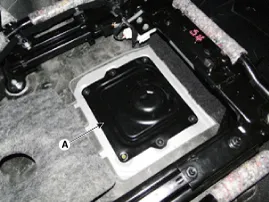
| 4. |
Disconnect the fuel tank pressure sensor connector (A). |
| 5. |
Remove the fuel tank pressure sensor from the sub fuel sender after loosening nut.
|
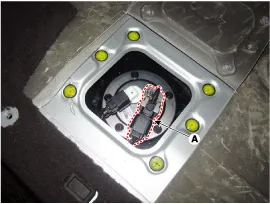
| Installation |
Circuit Diagram Description Based on information from various sensors, the ECM can calculate the fuel amount to be injected. The fuel injector is a solenoid-operated valve and the fuel injection amount is controlled by length of injection time. Other information:Hyundai Genesis (DH) 2013-2016 Service Manual: Auto Light Sensor Repair proceduresRemoval 1. Disconnect the negative (-) battery terminal. 2. Remove the photo & auto light sensor. (Refer to Windshield Wiper/Washer - "Rain Sensor") Installation 1. Install the auto light sensor. 2. Connect the negative (-) battery terminal. Hyundai Genesis (DH) 2013-2016 Service Manual: Receiver-Drier Repair proceduresReplacement 1. Remove the condenser. 2. Remove the cap (B) on the bottom of the condenser with the L wrench (A). Tightening torque : 9.81 ~ 14.71 N.m (1.0 ~ 1.5 kgf.m, 7.2 ~ 10.8 lb-ft) 3. Remove the receiver-drier (A) from condenser using a long nose plier. Categories

Copyright В© 2026 www.hgenesisdh.com - 0.0221
|
