
Hyundai Genesis (DH): ESC(Electronic Stability Control) System / ESC Control Unit Repair procedures
| Removal |
| 1. |
Turn ignition switch OFF and disconnect the negative (-) battery cable. |
| 2. |
Remove the Engine room fuse & relay box (B) after removing the cover (A).
|
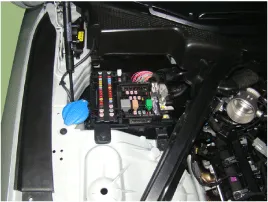
| 3. |
Disconnect the brake tubes (A) from the HECU by unlocking the nuts counterclockwise with a wrench.
|
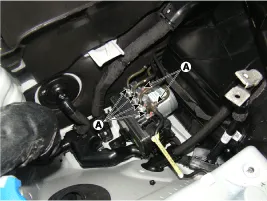
| 4. |
Disconnect the ESC control unit connector. |
| 5. |
Loosen the HECU bracket bolts, then remove HECU and bracket.
|
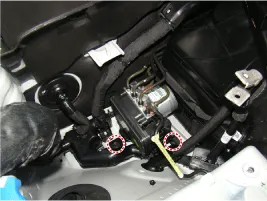
| 6. |
Remove the bolts, then remove the bracket from HECU.
|
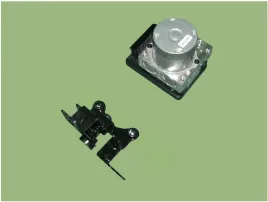

| Installation |
| 1. |
Install in the reverse order of removal. |
| 2. |
Tighten the HECU mounting bolts and nuts to the specified torque. |
| 3. |
After installation, bleed the brake system.
(Refer to Brake System - "Brake System Bleeding") |
| 4. |
Connect the GDS to the data link connector located underneath the dash panel.
|
| 5. |
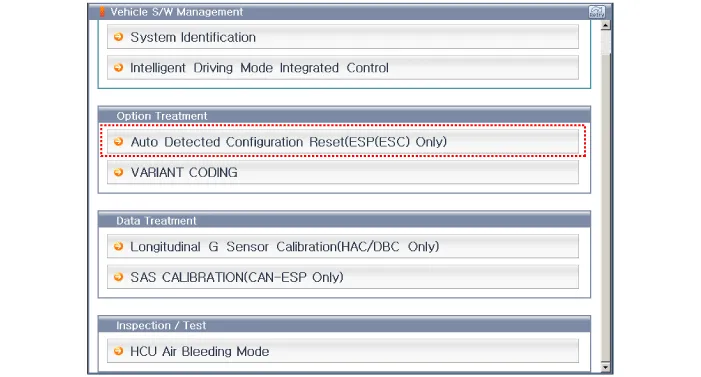
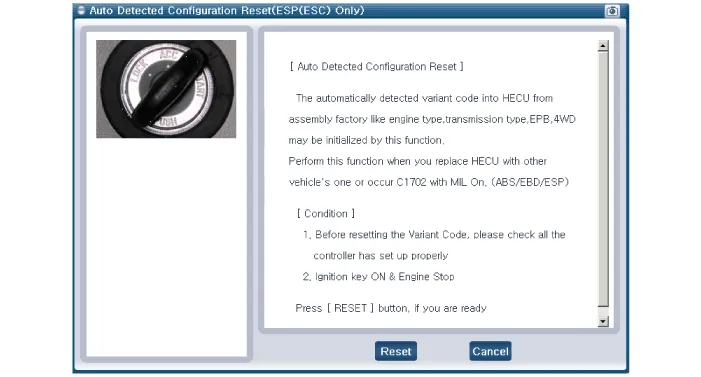
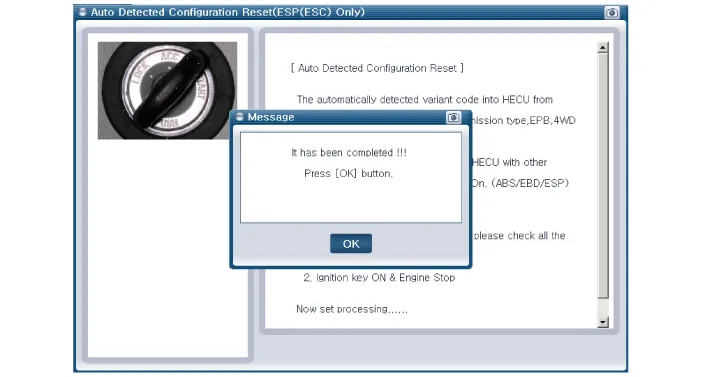
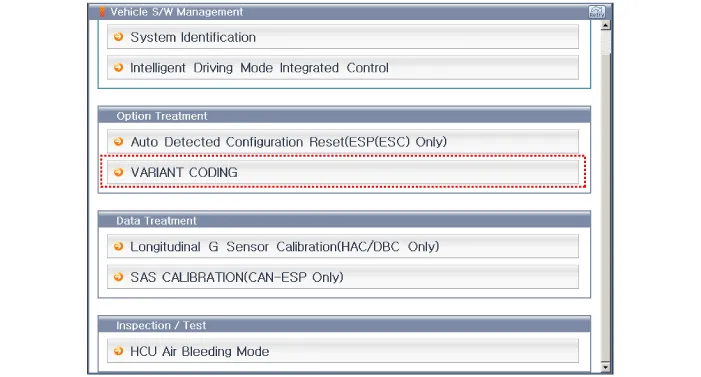
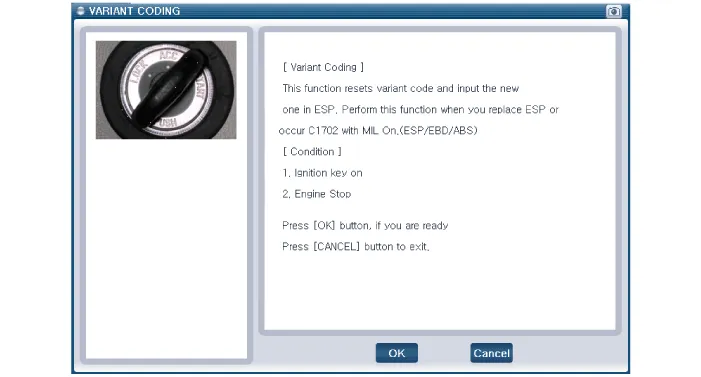
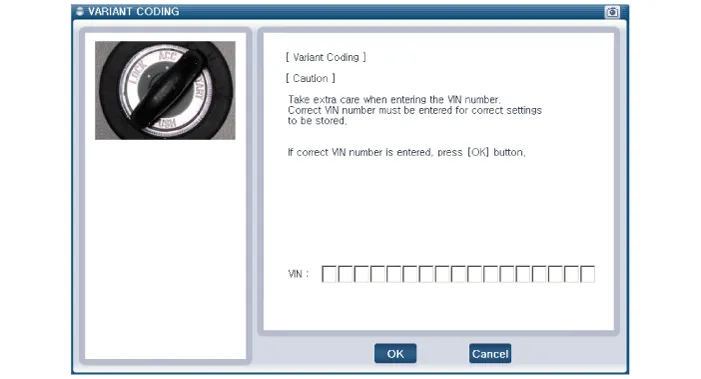
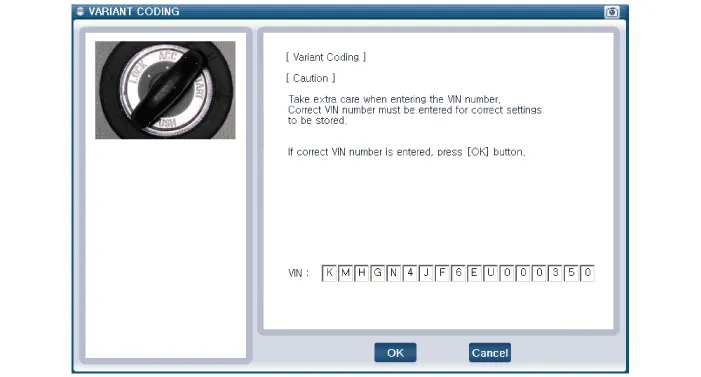
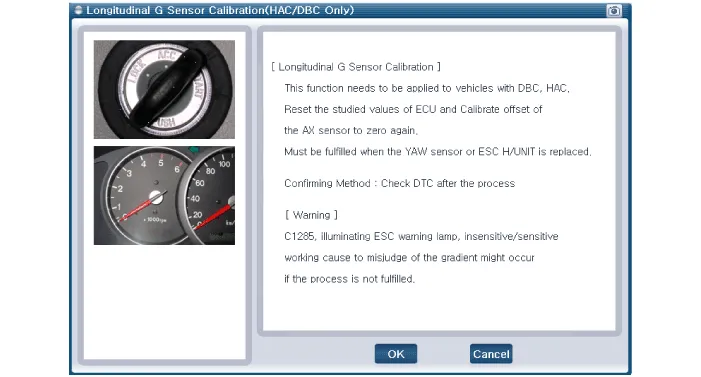
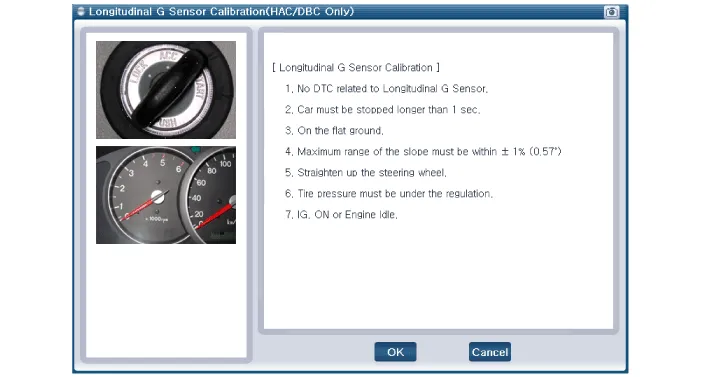
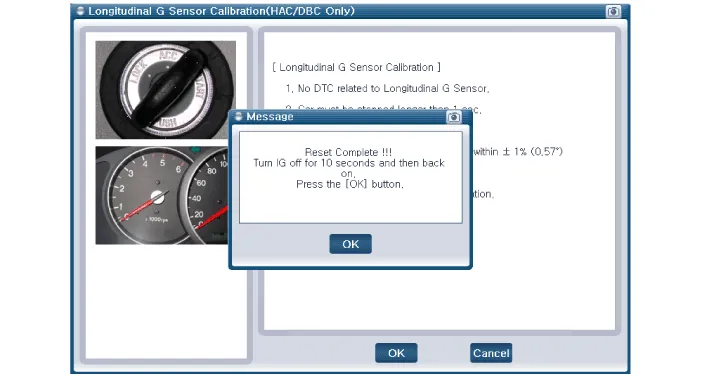
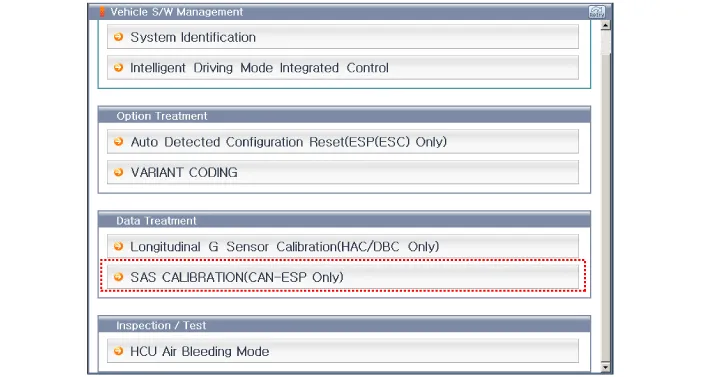
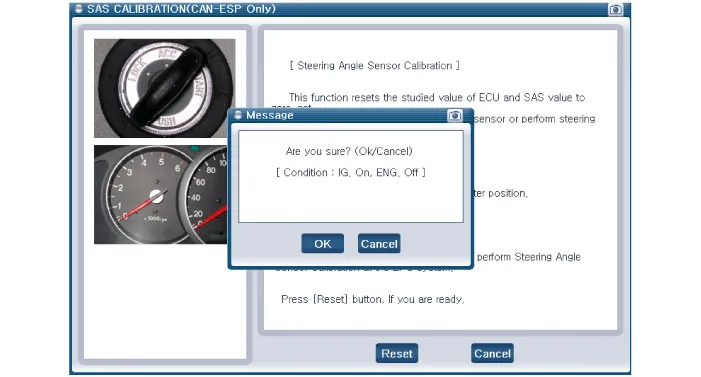
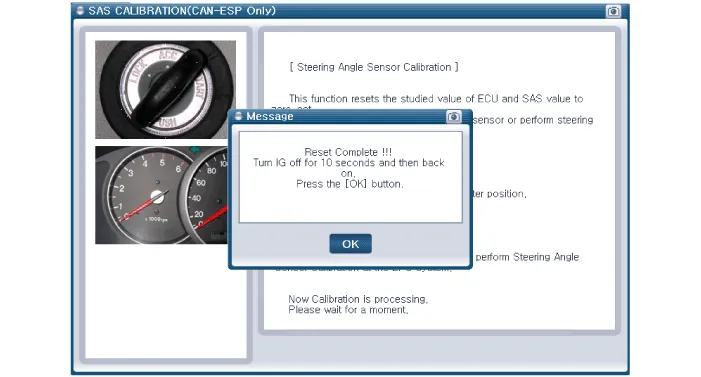
Make a selection and operate the process according to the instructions on the GDS screen.
[Auto Detected Configuration Reset]
[VARIANT CODING]
[ Longitudinal G Sensor Calibration]
[SAS CALIBRATION]
|


Operation The EBD system (Electronic Brake force Distribution) as a sub-system of the ABS system is to control the maximum braking effectiveness by the rear wheels.
Description Introduction of quick brake warning system (ESS) In case of quick brake by the driver, the brake lamp or turn signal blinks to warn against the vehicle approaching from the rear.
Other information:
Hyundai Genesis (DH) 2013-2016 Service Manual: Rear Combination Lamp Repair procedures
Removal 1. Disconnect the negative (-) battery terminal. 2. After loosening the nuts (4EA) holding the rear combination lamp and disconnecting the connector (A), remove the outside rear combination lamp assembly. 3. Remove the bulb (A) after turning it in the counter clock-wise direction.
Hyundai Genesis (DH) 2013-2016 Service Manual: Auto Defogging Actuator Repair procedures
Inspection 1. Turn the ignition switch OFF. 2. Disconnect the auto defogging connector. 3. Verify that the auto defogging actuator operates to the open position when connecting 12V to terminal 3 and grounding terminal 4. Verify that the auto defogging actuator operates to the close position when connected in reverse.
Categories
- Manuals Home
- Hyundai Genesis Owners Manual
- Hyundai Genesis Service Manual
- Transmission Control Module (TCM) Repair procedures
- Restraint
- 4 Wheel Drive (AWD) System
- New on site
- Most important about car
