
Hyundai Genesis (DH): General Information / Components and Components Location
Hyundai Genesis (DH) 2013-2016 Service Manual / Emission Control System / General Information / Components and Components Location
| Components Location |
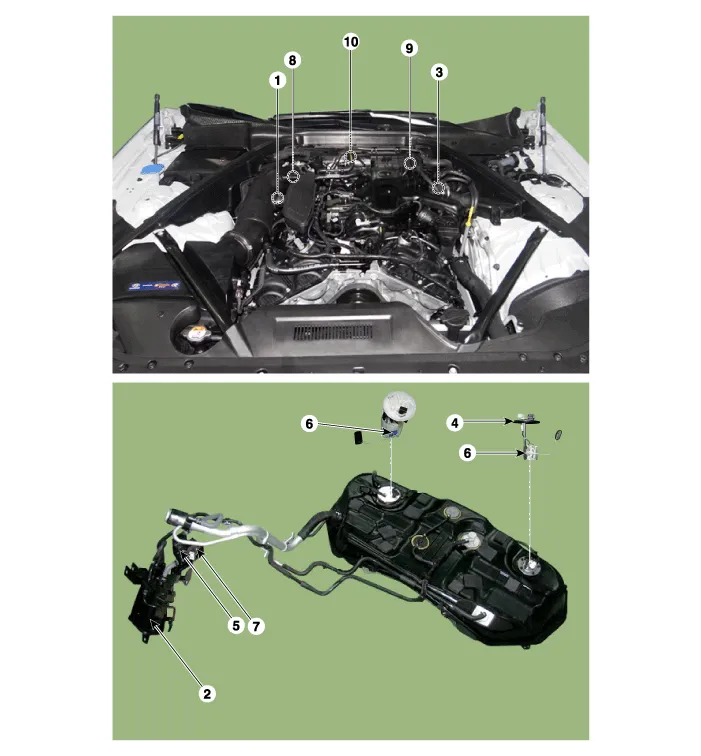
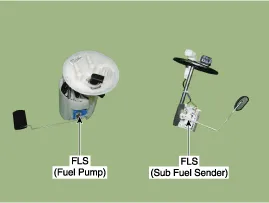
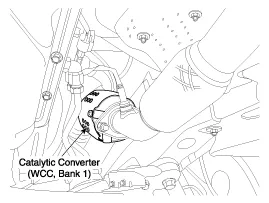
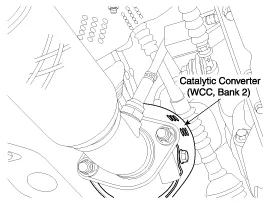
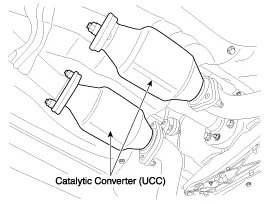
| 1. PCV Valve 2. Canister 3. Purge Control Solenoid Valve (PCSV) 4. Fuel Tank Pressure Sensor (FTPS) 5. Canister Close Valve (CCV) | 6. Fuel Level Sensor (FLS) 7. Fuel Tank Air Filter 8. Catalytic Converter (WCC, Bank 1) 9. Catalytic Converter (WCC, Bank 2) 10. Catalytic Converter (UCC) |
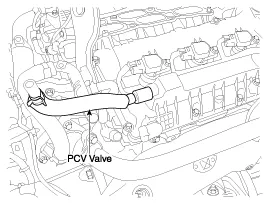
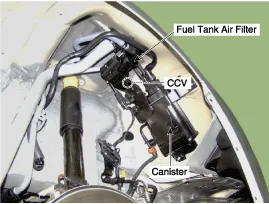
| 1. PCV Valve | 2. Canister 5. Canister Close Valve (CCV) 7. Fuel Tank Air Filter |
|
|
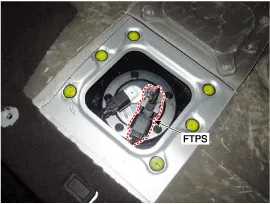
| 3. Purge Control Solenoid Valve (PCSV) | 4. Fuel Tank Pressure Sensor (FTPS) |
|
|
| 6. Fuel Level Sensor (FLS) | 8. Catalytic Converter (WCC, Bank 1) |
|
|
| 9. Catalytic Converter (WCC, Bank 2) | 10. Catalytic Converter (UCC) |
|
|

Troubleshooting SymptomSuspect AreaEngine does not start or is hard to startVapor hose damaged or disconnectedEEngine struggles to startMalfunction of the purge control solenoid valveRough idle or engine stallsVapor hose damaged or disconnectedMalfunction of the PCV valveRough idleMalfunction of the evaporative emission control systemExcessive oil consumptionPositive crankcase ventilation line clogged
Schematic Diagram
Other information:
Hyundai Genesis (DH) 2013-2016 Service Manual: Specifications
S
Hyundai Genesis (DH) 2013-2016 Service Manual: Cluster Ionizer Repair procedures
Inspection 1. Press the MODE switch more than 4 times within 2 seconds while pressing the OFF switch. DisplayFail description00Normal51Cluster ion generator fault * For diagnostic procedure, refer to DTC guide. Replacement 1. Disconnect the negative (-) battery terminal.
Categories
- Manuals Home
- Hyundai Genesis Owners Manual
- Hyundai Genesis Service Manual
- Components and Components Location
- Starter Repair procedures
- Suspension System
- New on site
- Most important about car

Copyright В© 2026 www.hgenesisdh.com - 0.0256